
Independent guide · every fact sourced
Catacombs Tour Rome
Choose your catacomb, book a guided tour or entry ticket and plan the trip along the Appian Way with real prices and opening hours.

- Independent guide, not the official site
- Every fact linked to its source
- 24 guides, updated 20 Nov 2026
- Live weather, maps and routes
Popular tickets
Sold by authorised partners. Prices checked 19 Nov 2026; they can change.
Yes, a catacombs tour in Rome is worth it for most first time visitors. These are the real underground burial galleries of early Christian Rome, protected by the Vatican since 1852, and a single site can be comfortably seen in under an hour.
Catacombs of Rome in numbers
Source:Official sites of the Catacombs of San Callisto and Domitilla, and the Pontifical Commission of Sacred Archaeology“The largest and oldest underground cemetery in Rome.”
Catacombs of Domitilla, official site, 2025 · source
Where the Catacombs of Rome are, and how to get there
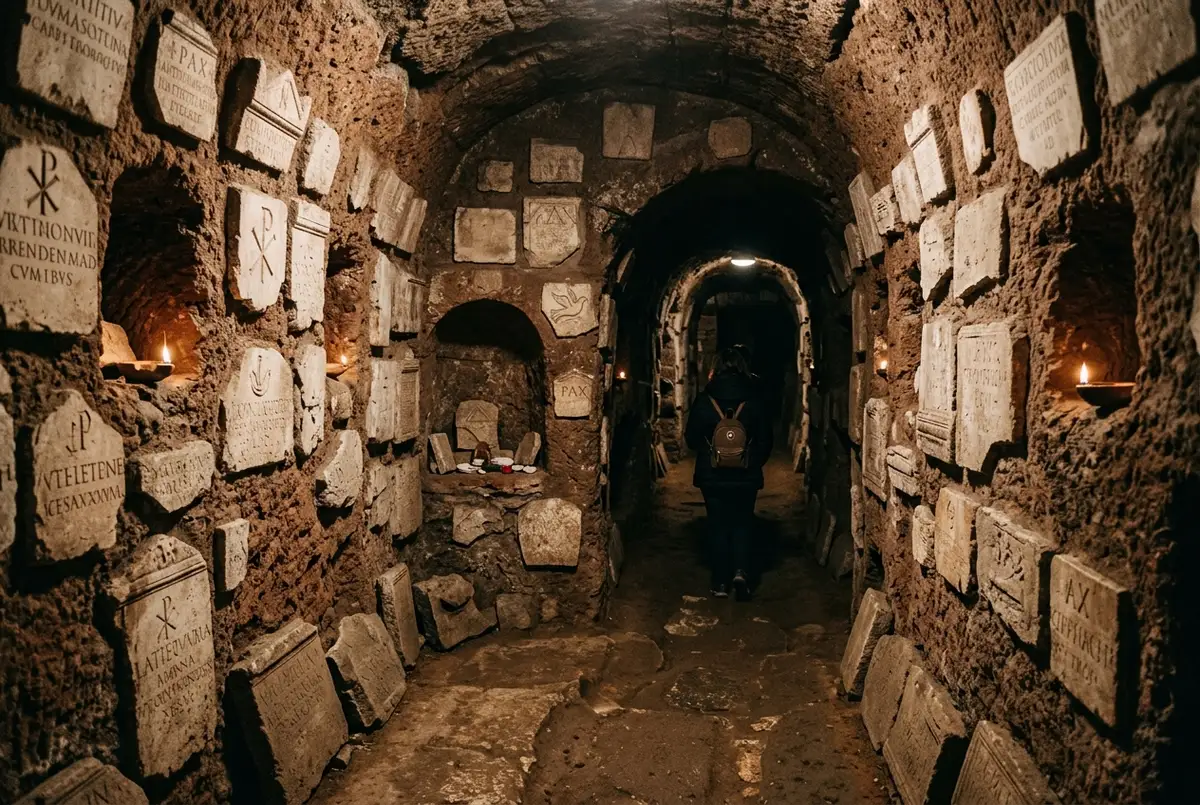
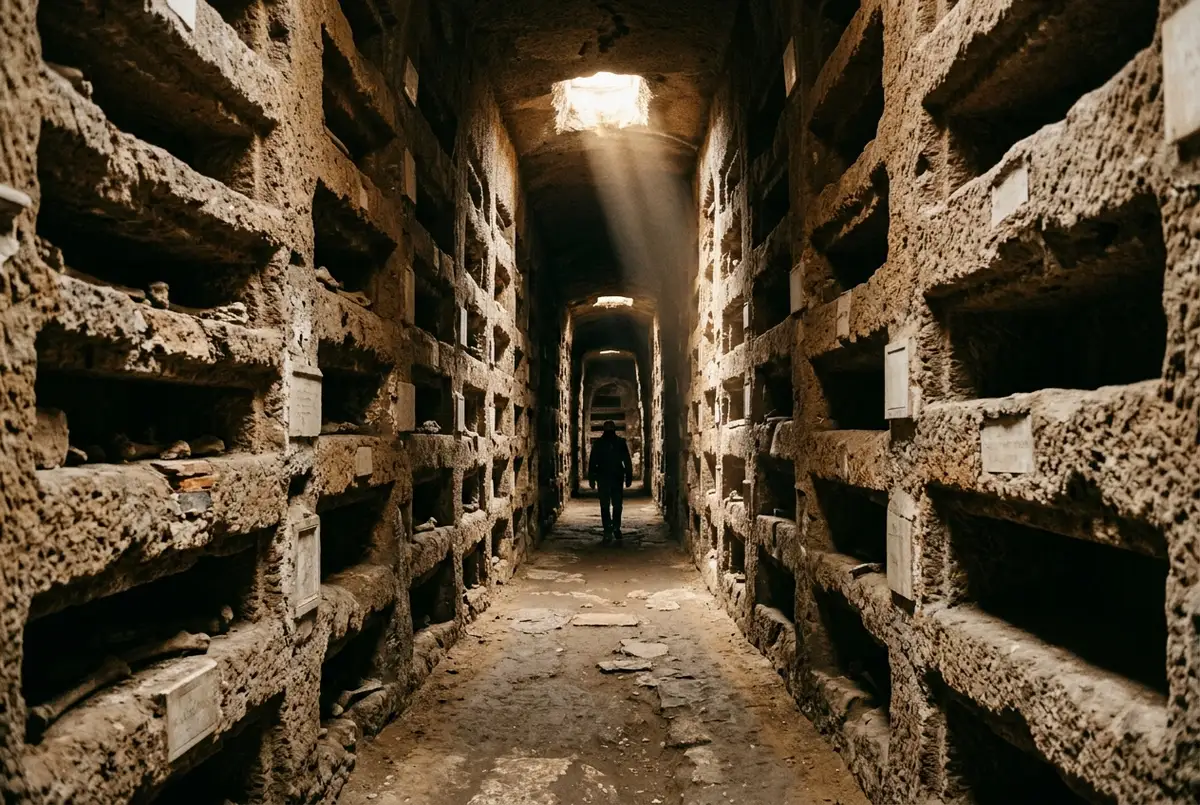
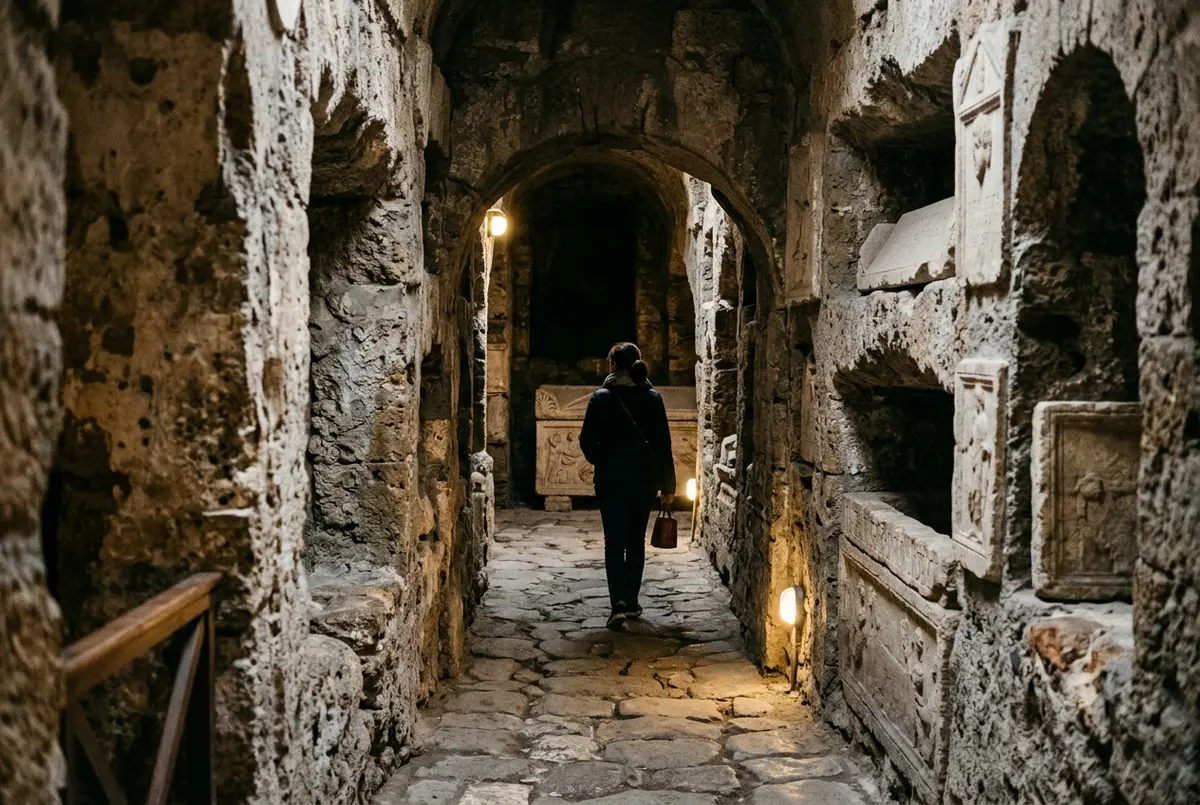
Open in Google MapsA catacombs tour in Rome takes you into the real underground burial galleries that early Christians carved beneath the city, a practice that goes back to the second century AD. This guide compares which catacombs to visit, explains how the guided only visits actually work, and lines up real hours and prices instead of marketing copy.
Is a catacombs tour in Rome worth it?
Yes, for most first time visitors. These are officially protected, Vatican supervised sites with a real history, and a single catacomb can be seen in under an hour, so it fits easily into a day packed with other Rome sights.
The Pontifical Commission of Sacred Archaeology has guarded these cemeteries since 1852, which is part of why they feel different from a typical paid attraction: you are walking through a site the Vatican still actively conserves, not a reconstruction. For the fuller verdict on who should skip it and who should make time for it, see are the catacombs of Rome worth visiting.
Which catacombs in Rome should you visit?
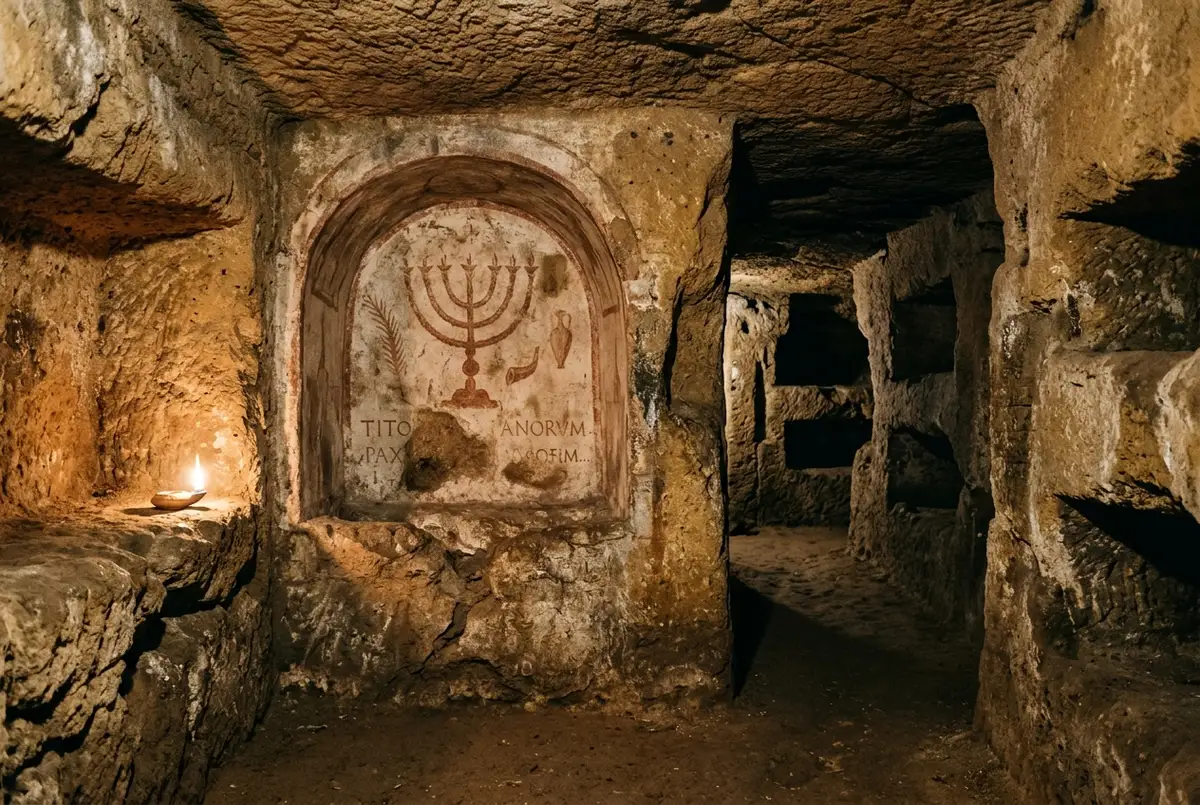
San Callisto is the largest and most visited, while Domitilla is one of the oldest and least crowded. Priscilla, San Sebastiano and the separate Jewish catacombs each suit a different kind of visit.
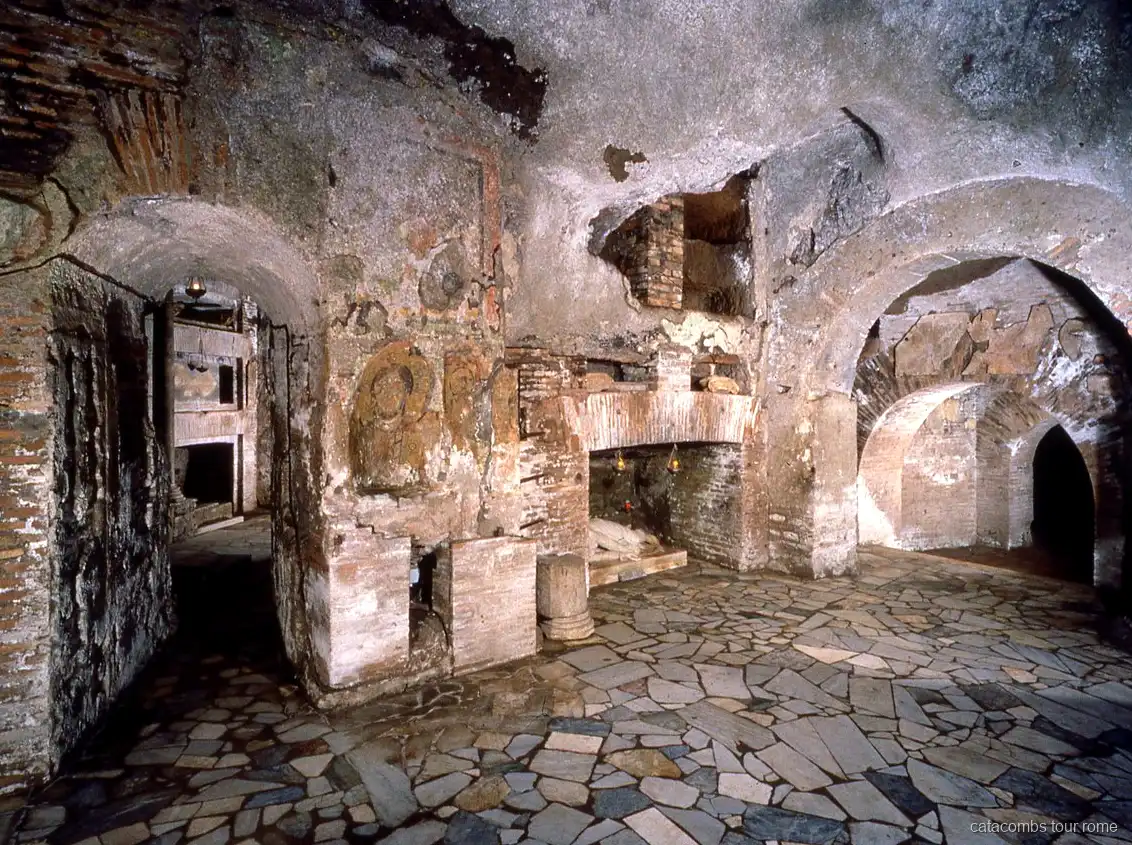
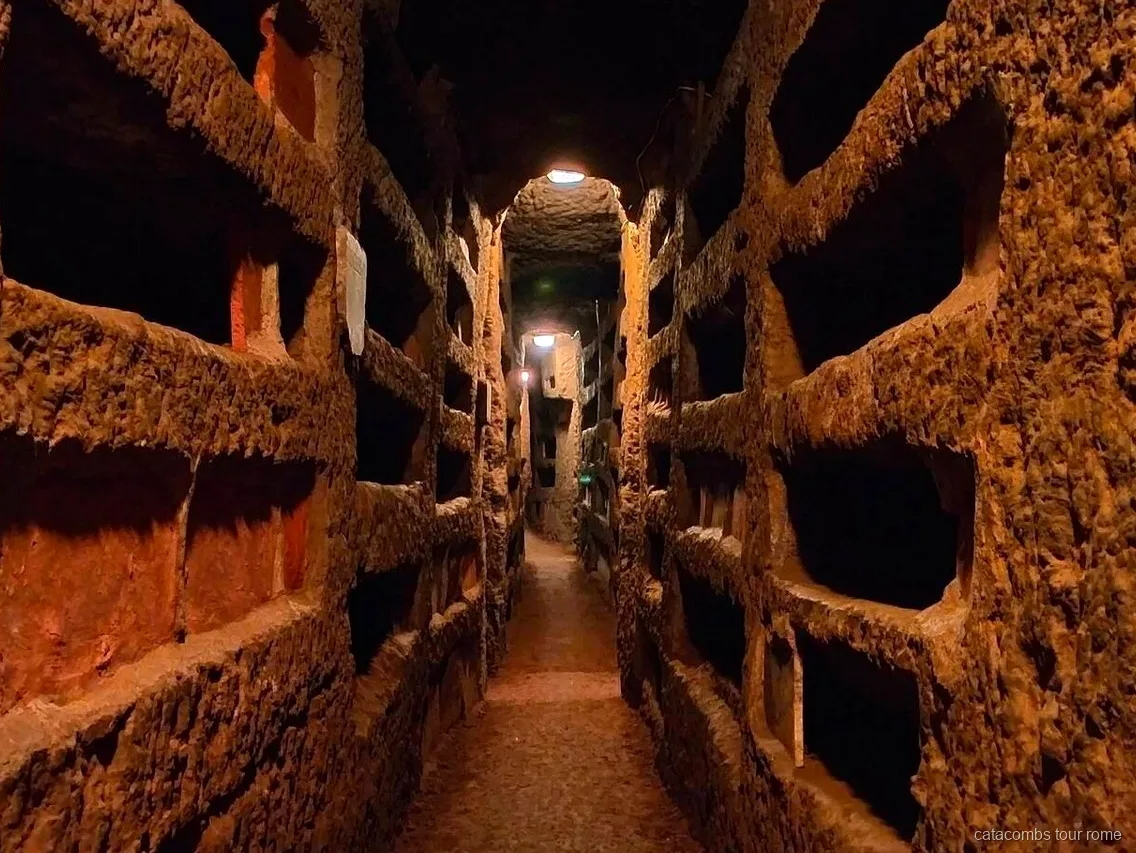
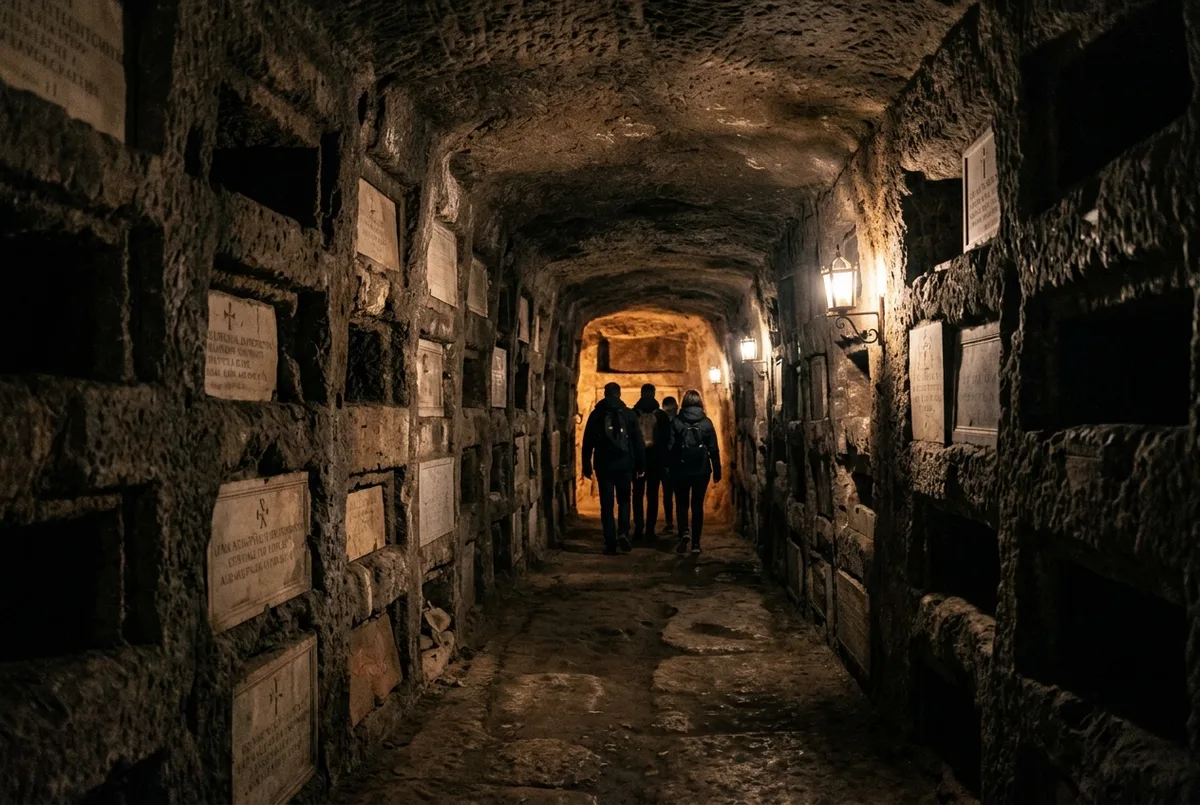
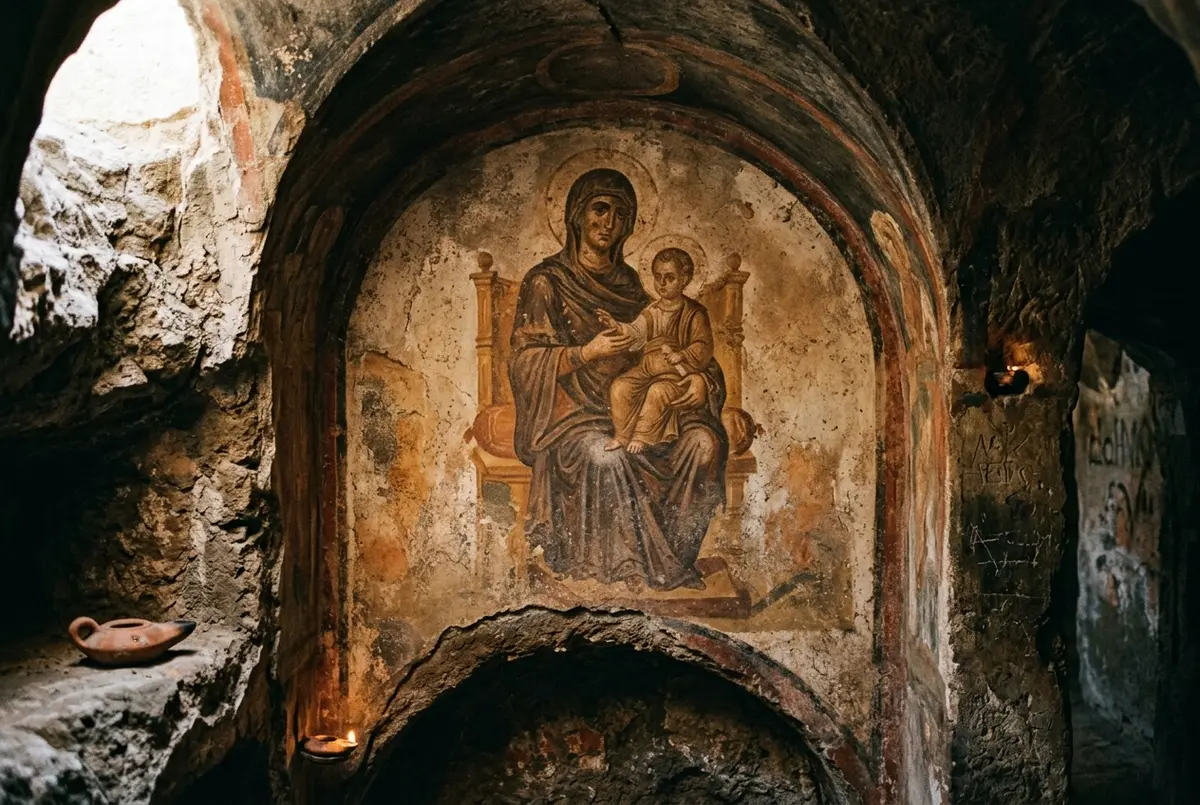
The Catacombs of San Callisto became the official cemetery of the Church of Rome in the third century AD and are said to hold around 500,000 burials, including 16 popes. The Catacombs of Domitilla trace back to 120 AD and hold Rome’s only semi underground basilica, and because fewer tour groups stop there it tends to feel calmer. I would start with San Callisto for a first visit and add Domitilla if there is time for a second, quieter site; the full comparison, including Priscilla and San Sebastiano, is in which catacombs in Rome should you visit.
How do you visit the catacombs in Rome?
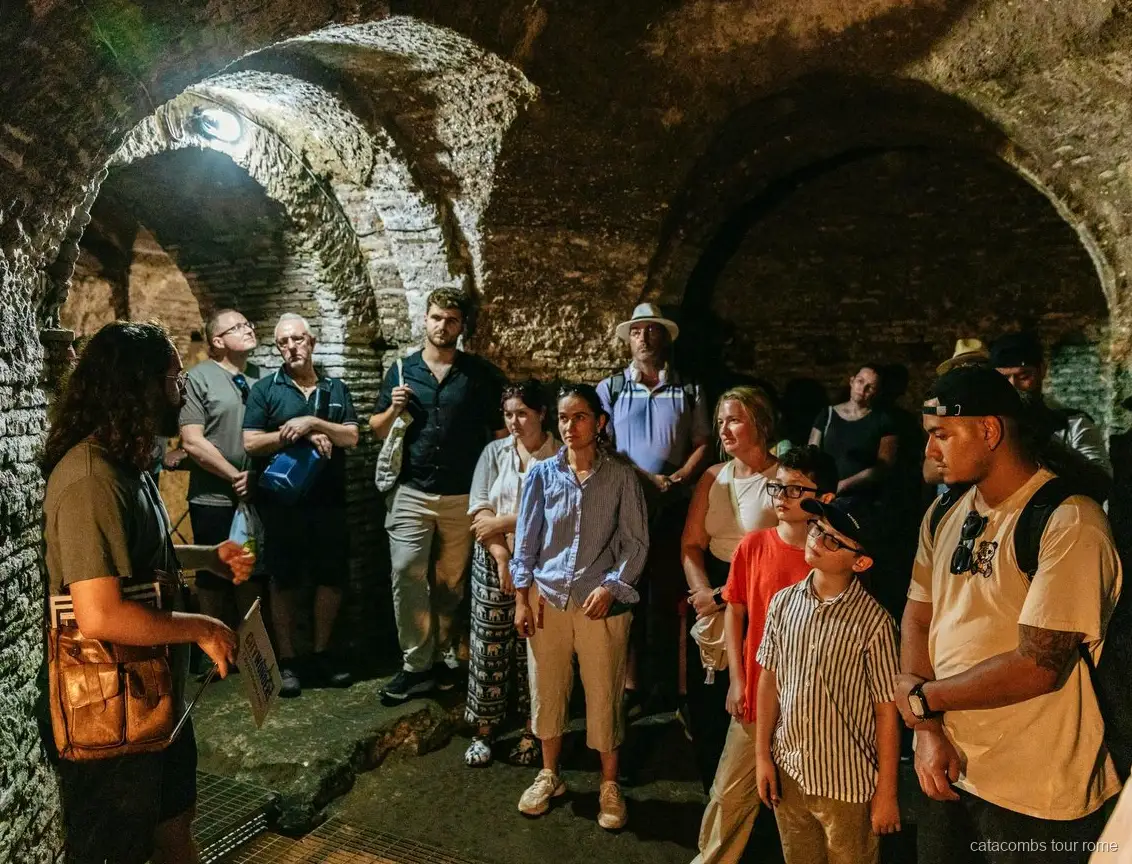
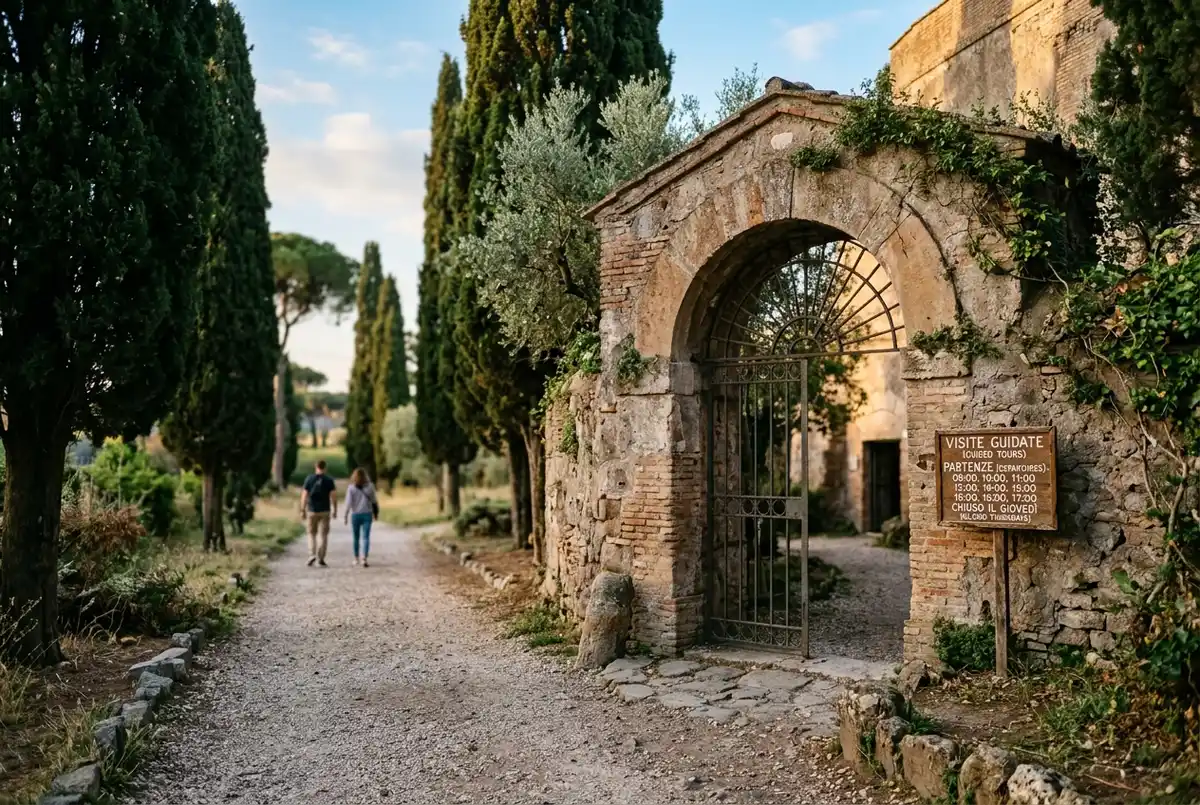
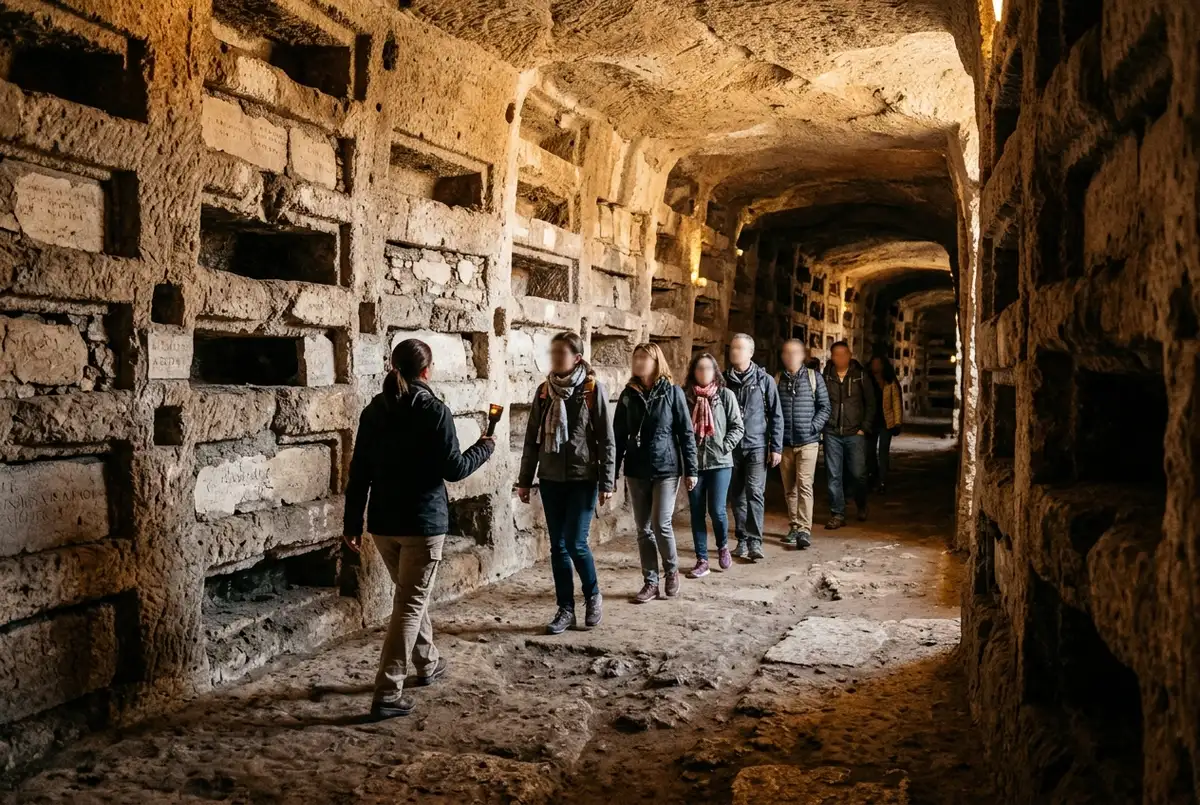
Every catacomb in Rome is guided only, so a ticket always comes with a fixed time slot and a guide rather than free entry to wander alone. Booking ahead secures that slot instead of risking a sold out tour at the gate in peak season.
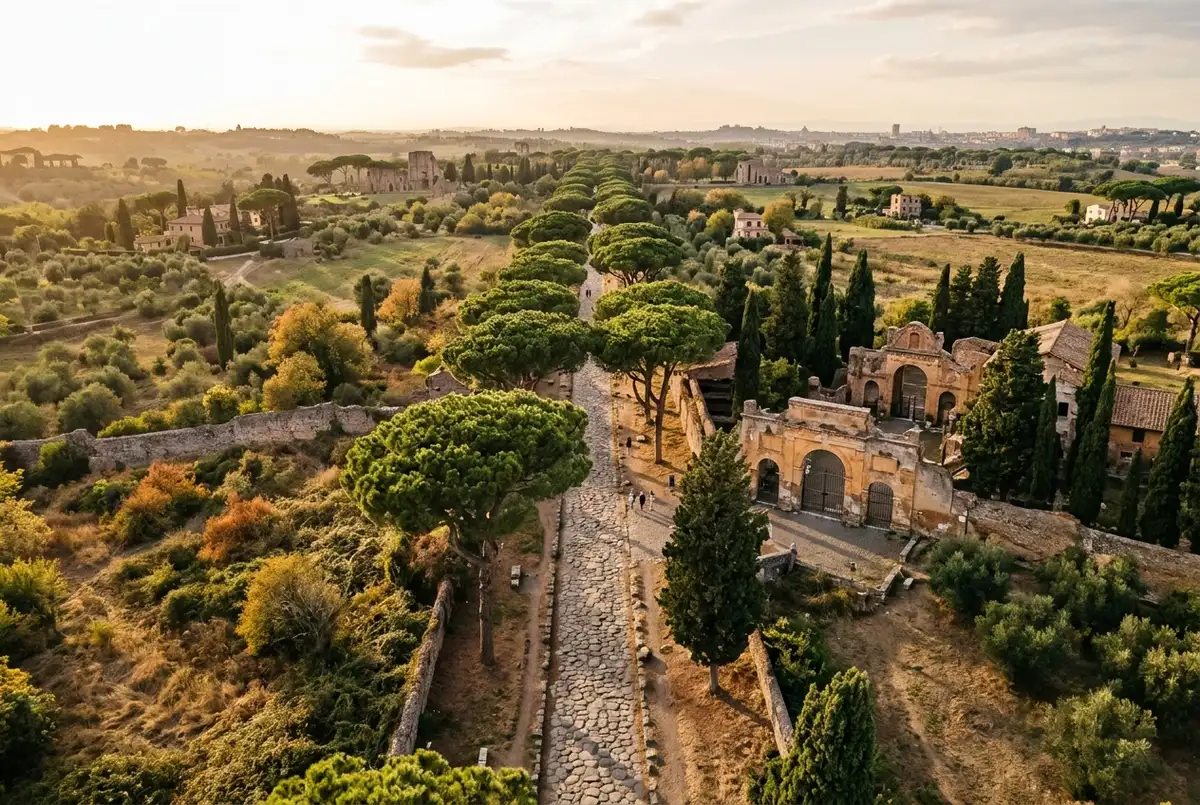
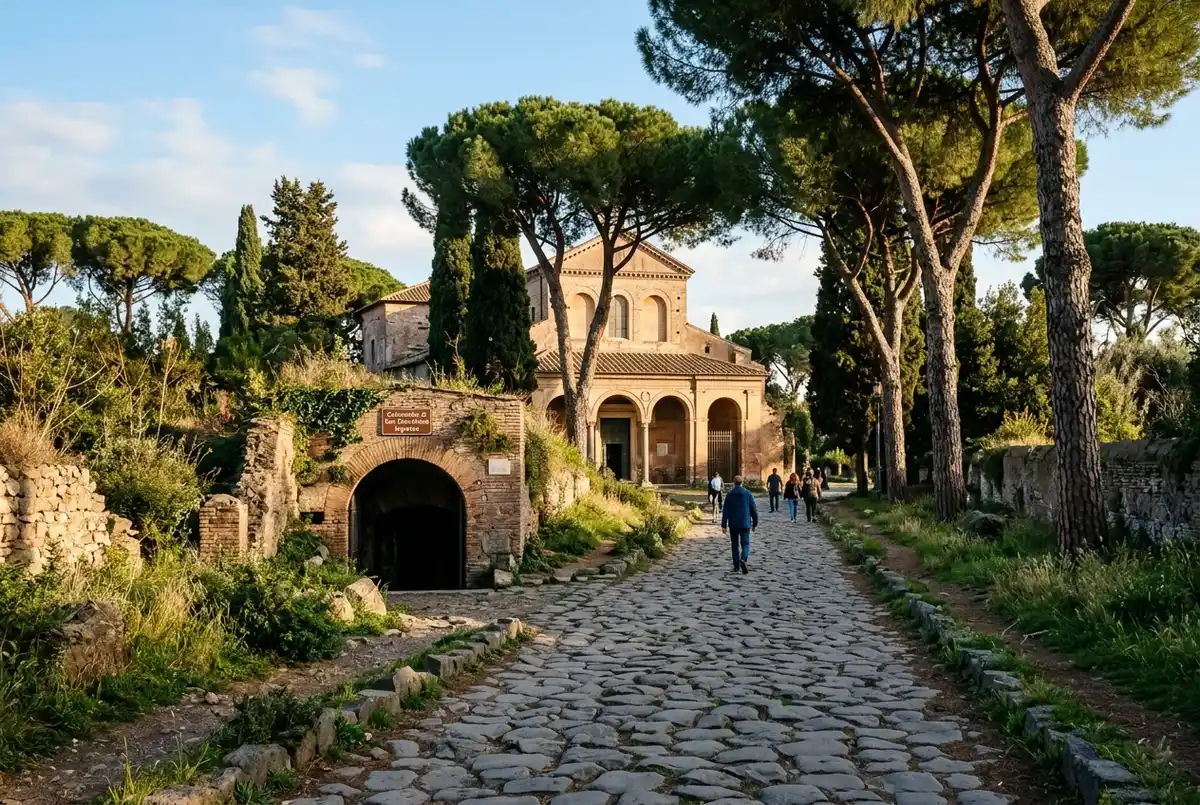
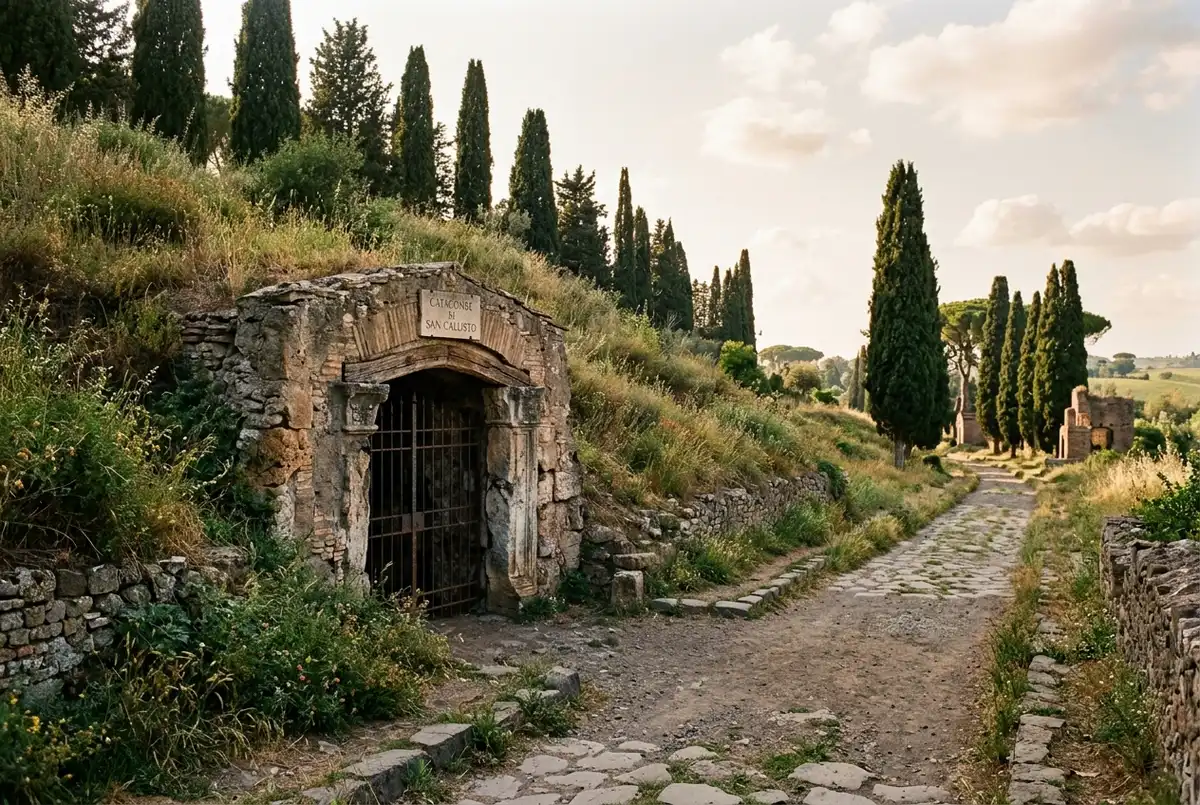
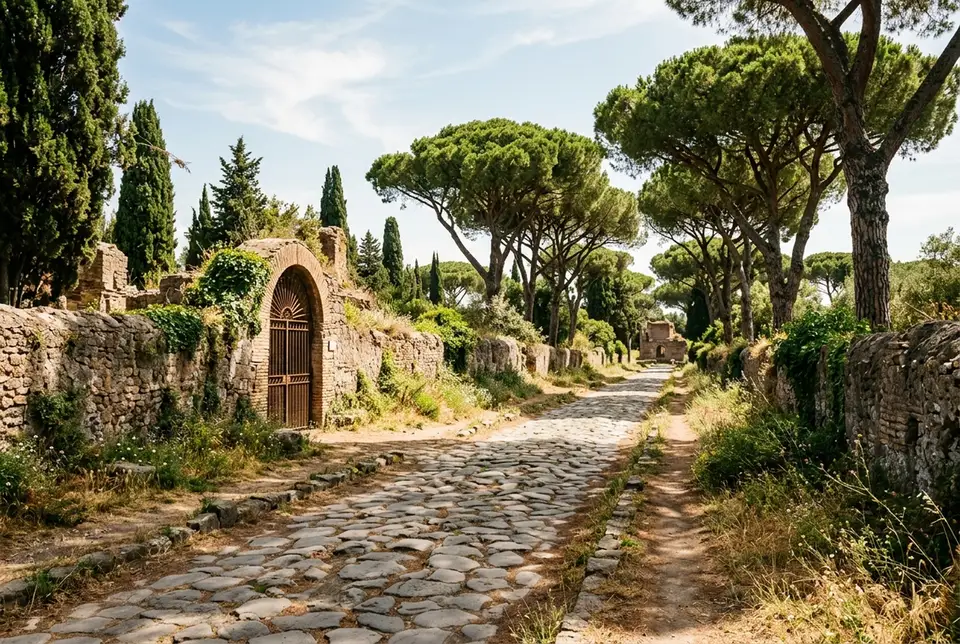
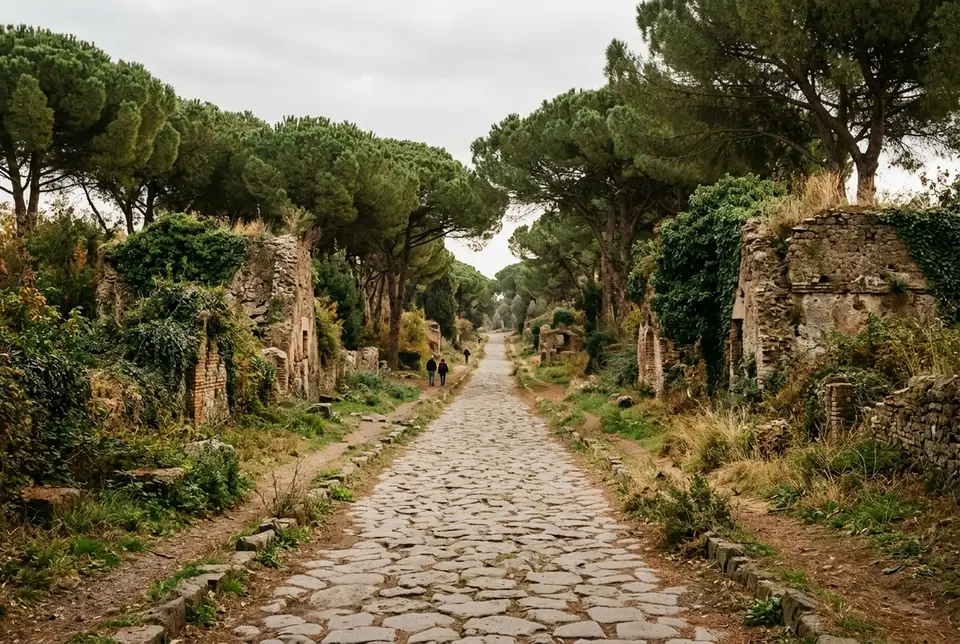
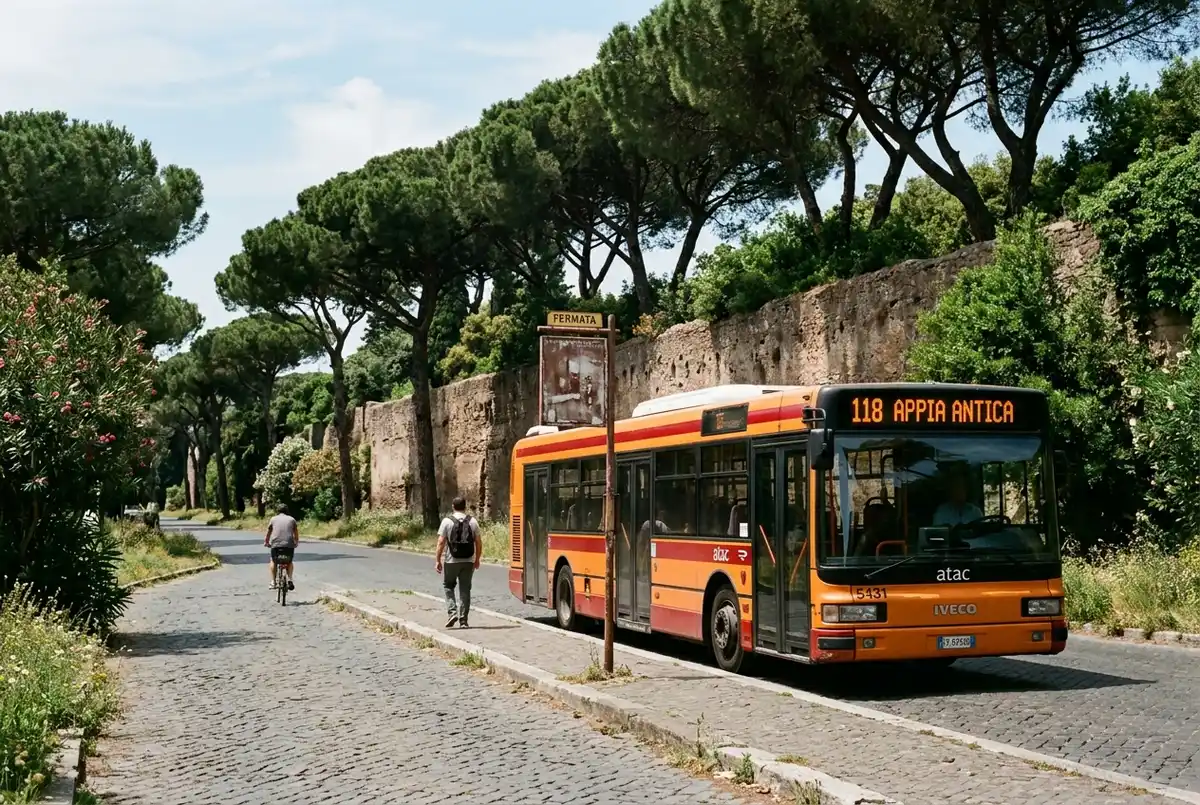
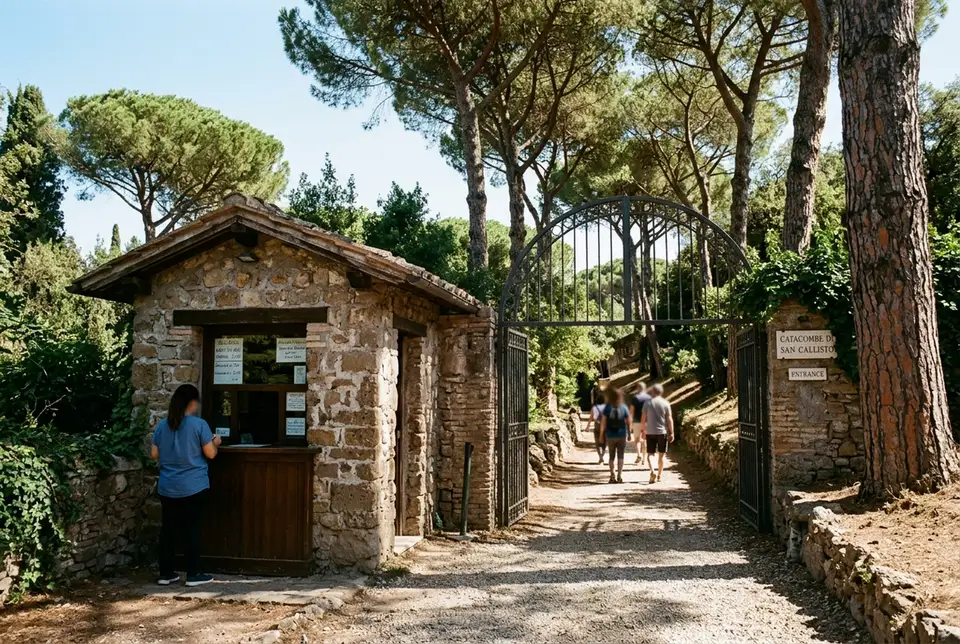
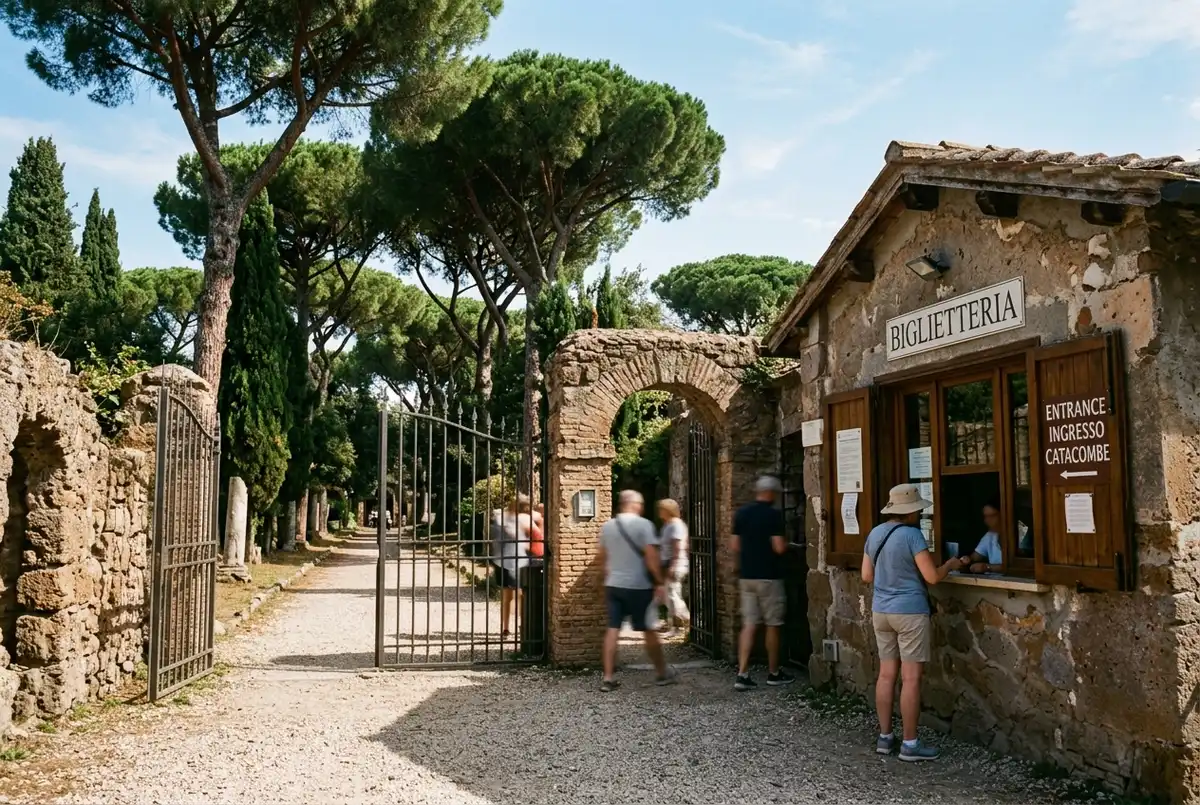
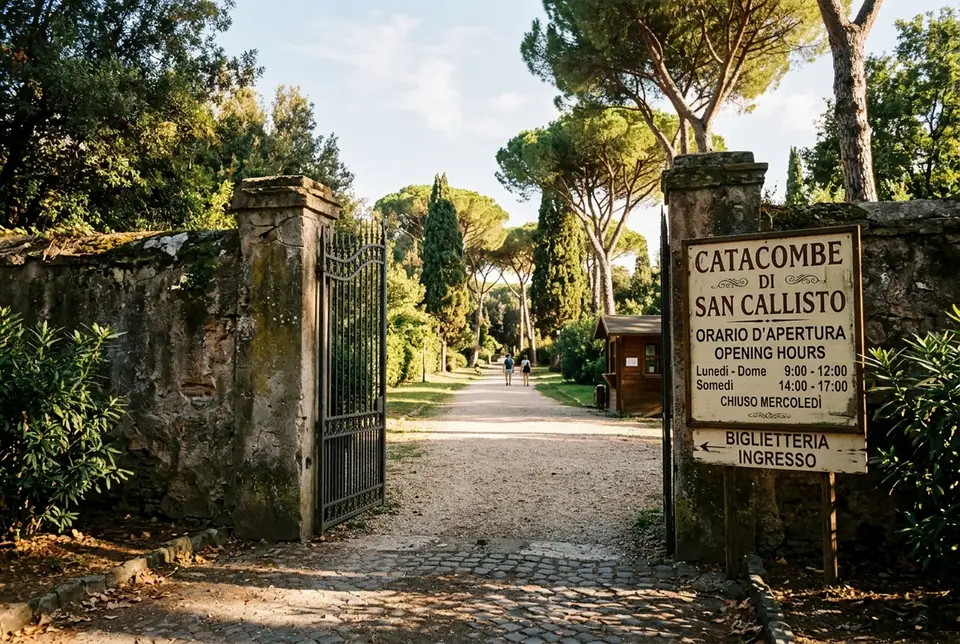
Most of the open catacombs, including San Callisto and San Sebastiano, sit along the Via Appia Antica south of the historic centre, with Priscilla and the Jewish catacombs elsewhere in the city; the map above plots the nearest way in from each starting point, and where the catacombs of Rome are located covers metro and bus routes in full. Once inside, the guided format is the same everywhere: a staff or partner guide walks your group through the tunnels, and the ticket itself, covered in catacombs of Rome tickets, is really a booking for that time slot rather than a simple entry pass.
How much do catacombs tours in Rome cost?
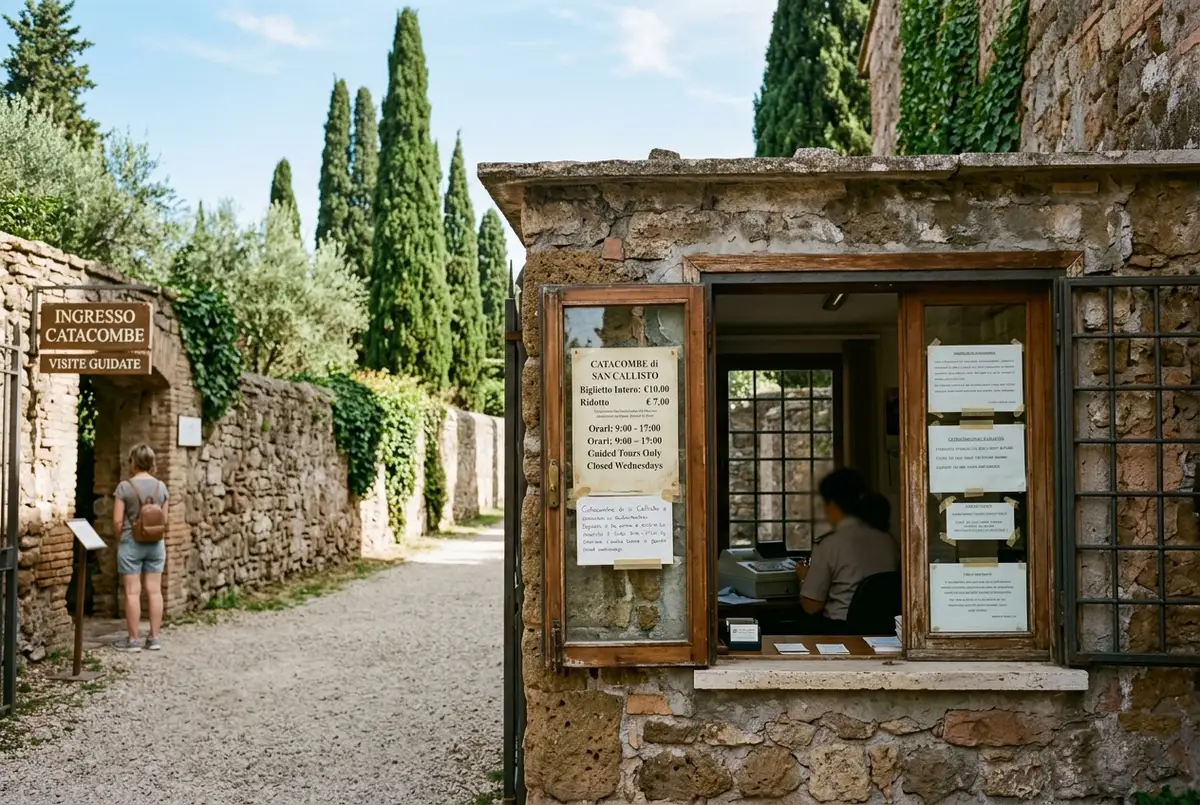
Official admission with a guide starts at about 10 EUR at the ticket office, and resold tours on this site range from roughly 15 to 65 dollars depending on whether a site is combined with the Capuchin Crypt. Compare any resold price against the real gate fee before you book.
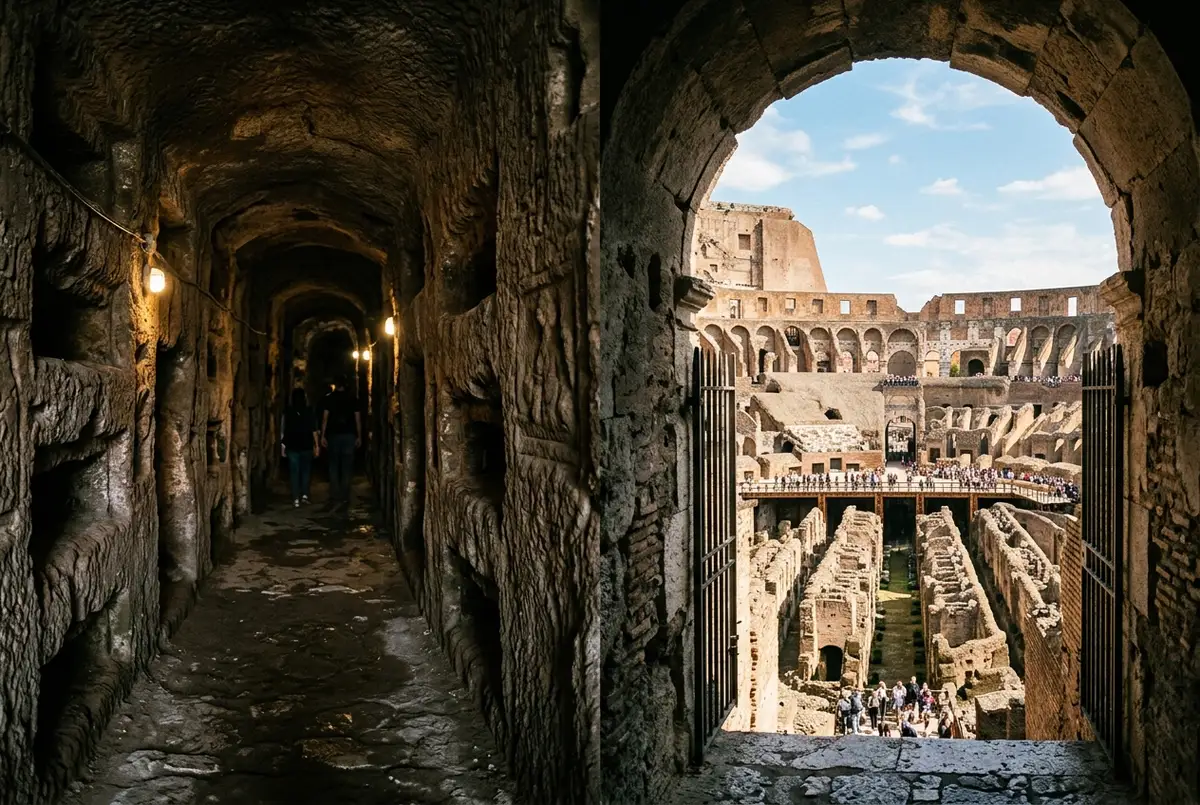
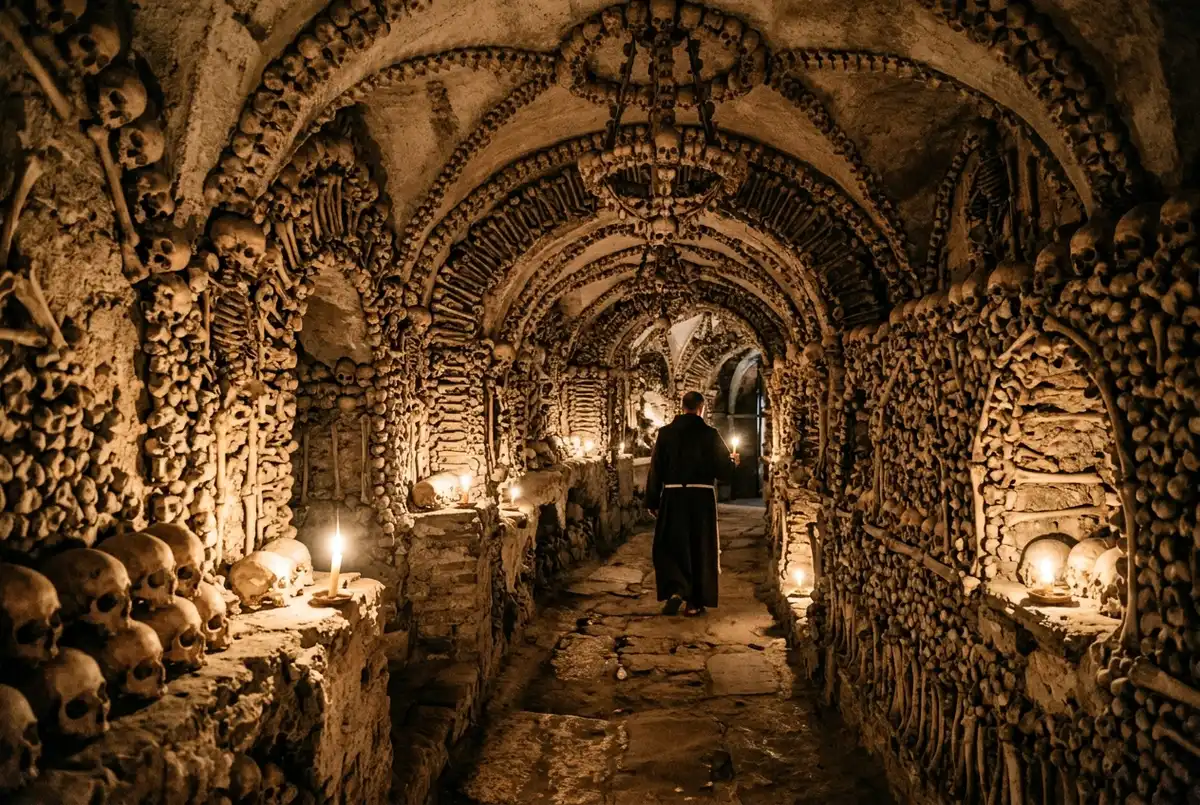
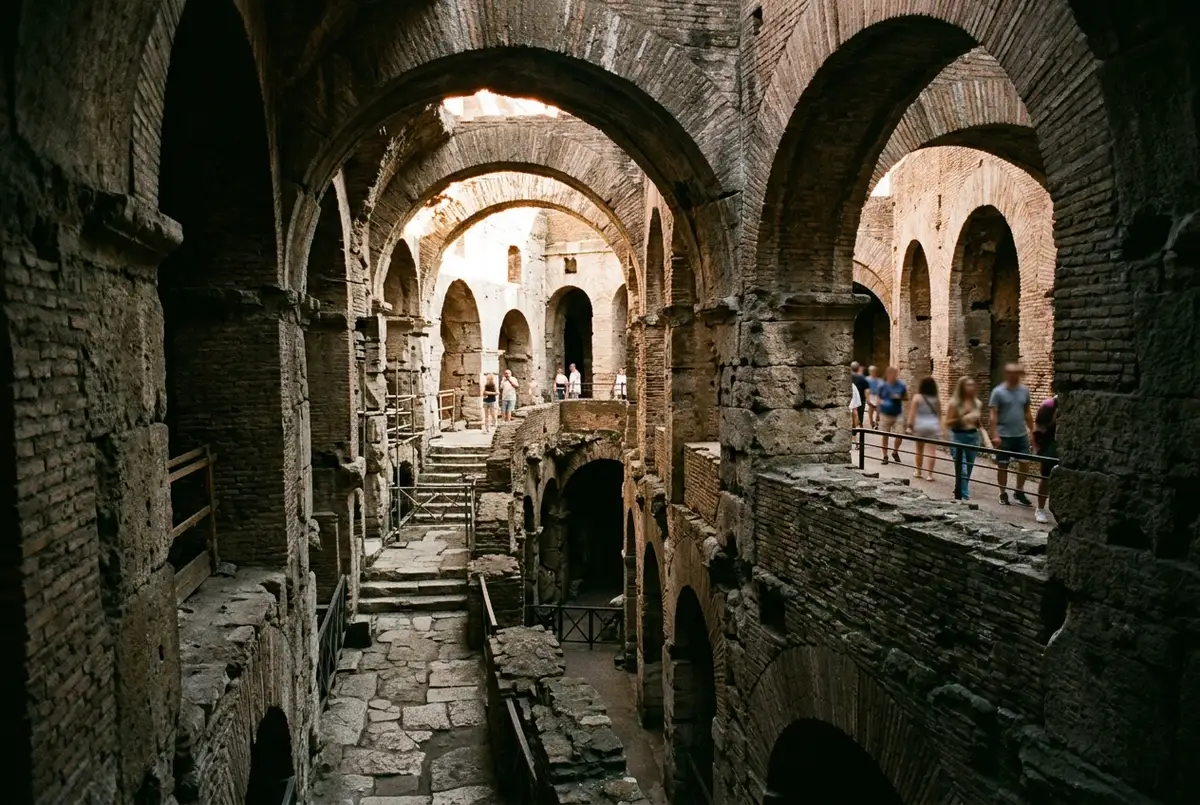
Domitilla lists a full price ticket at 10 EUR and a reduced ticket at 7 EUR, which is a useful benchmark even for a different catacomb’s gate price. The catacombs should never be confused with Rome’s other underground sights, like the Capuchin Crypt bone chapel or the Colosseum’s underground chambers, which charge separately and are covered on their own in underground Rome. If a price elsewhere looks far higher than the gate fee above, it is probably bundling a guide, transfer or a second site, not a different catacomb.
Visit
The Catacombs
History
Getting There
Compare
Tickets
Questions
Do you need to buy catacombs tickets in advance?
Advance booking is not required everywhere, but it is the safer choice in peak season when fixed time guided slots can sell out at the gate. Every catacombs ticket is really a reservation for a specific guided time, never a self guided entry.
What is the temperature in the catacombs in Rome?
None of the official sites publish an exact reading, but visitors consistently describe the tunnels as cool and stable year round, noticeably below the summer heat above ground. That makes a catacombs tour a reasonable midday or hot season pick.
Can you touch the skulls in the catacombs?
No, visitors are not allowed to touch any remains, niches or carved surfaces, and guides enforce this on every tour. The rule protects fragile, centuries old material that cannot be replaced.
What is the difference between a crypt and a catacomb?
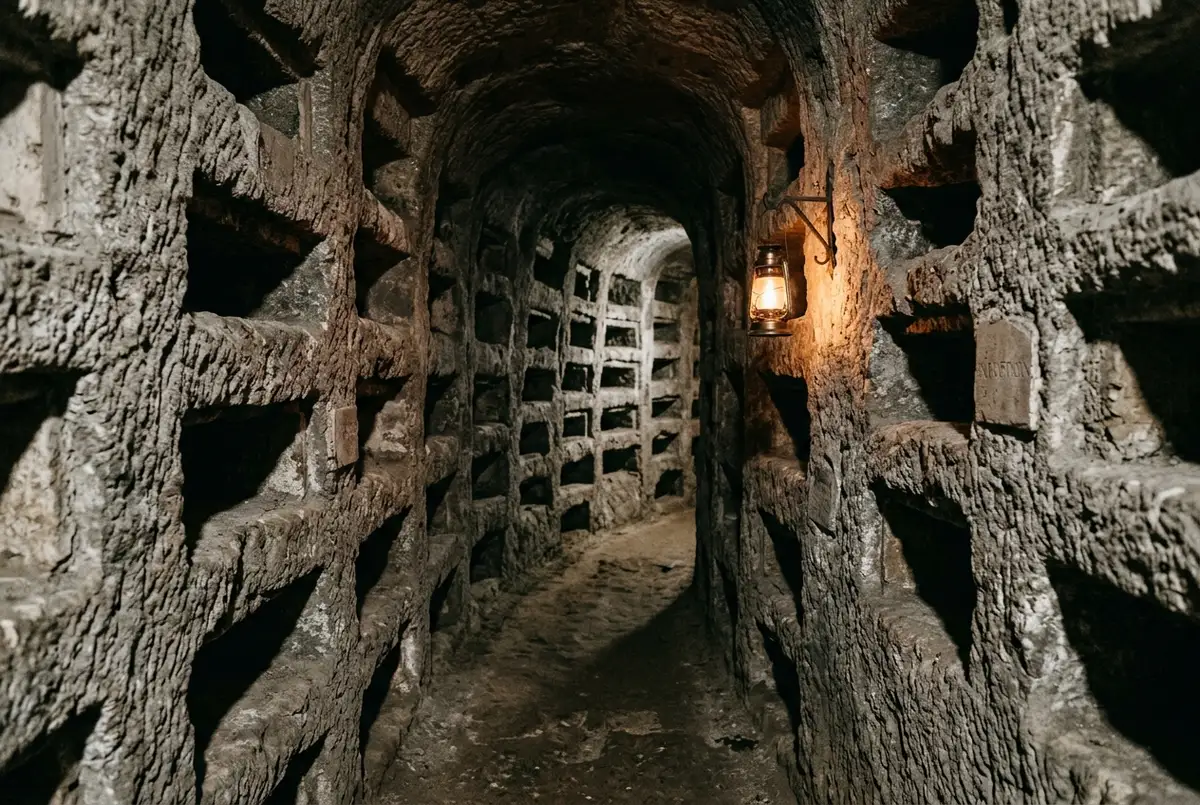
A catacomb is a network of underground tunnels cut for mass burial, while a crypt is usually a single vaulted chamber built under or beside a church. The Catacombs of Domitilla hold both: the tunnels themselves, and a semi underground basilica with its own crypt.
Is there a dress code for the catacombs in Rome?
Yes, cover your shoulders and knees as you would for any Roman church, and wear comfortable shoes for the uneven rock floors. Photography and large bags are not allowed underground on any of these tours.
Can you legally go into the Catacombs?
Yes, Rome's catacombs are official, Vatican supervised sites open to the public every week, unlike the unauthorized tunnel network in Paris that generates much of the illegal catacombs search results. The guided only rule exists to protect the site, not because entry is restricted.